Humanities English 8
 We are reading Uncle Tom’s Cabin, which is a chore for some of them. It’s almost 500 pages of not-easy text, but it’s an important piece of literature that really supports what we’ve been talking about all year long (what does it mean to be American and how does perspective affect our beliefs and opinions). We are actually writing pages on this book, and we will participate in Socratic Seminars around it. For the common writing task, in which the rest of the 8th grade writes about 12 Angry Men, we will write a 2-3 page dialogue between Uncle Tom and their choice of one of the people we studied (MLK, Malcolm X, Medgar Evers, James Baldwin, Colin Kaepernick, Angela Davis, a few more). The Narrative of the Life of Frederick Douglass is coming up, and while the rest of the eighth grade only reads 3 chapters, we read the whole book. Shakespeare rounds out our year, and it looks like we will be doing a compilation of Shakespearean scenes this year, rather than one entire play.
To supplement 12 Angry Men as well as the essential questions framed above, we are reading about the Roger Stone sentencing, from both sides of the aisle. It would be wonderful for parents to engage with their children in this, as parental perspective is always welcome when we have these types of discussions. Our main point of inquiry with this is:
Does it undermine the jury system if the Attorney General interferes in prosecutors’ sentencing recommendations?
There are many nuances to this story, and information is still coming out, but it’s important and timely, especially given our focus.
Humanities US History 8
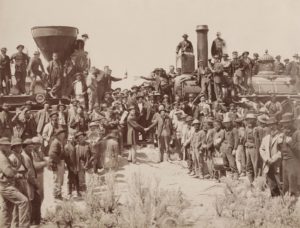
In Social Studies we are continuing to look at the United States Constitution. In this quarter we are seeing if the Constitution can handle the “stressors” put on it by economic and geographical expansion. The quarter requires students to know subject matter (1800-1865), thinking stills, specific to general sourcing and sourcing with a point of view, continue to work on using corroborating sources to define an argument, and develop a more holistic, accurate view of American History.
The major writing assignment for this quarter is the Common Writing Task. This grade is more than 10 percent of the grade because of the many components involved in the completion of the writing sample. All material will be posted in Google Classroom and that will be a key location for students and parents to review content and assignment status. If it says missing in red, students will not get a grade for the assignment.
Humanities Media 8
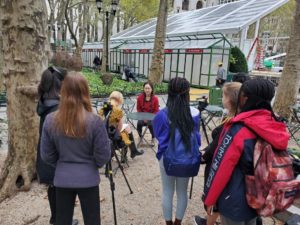
In Huumanities Media 8 we have just completed the C-Span Student Cam competition/project, and we are moving on to the Choose Respect Montgomery Campaign. The CRMC focuses on teen dating abuse and what can be done in order to increase awareness and prevention of teen dating abuse. The CRMC will take up the first half of Quarter 3 ending right on interims. The second half of the quarter will find us re-focusing on our NYC media projects; we will be transitioning into the editing and post-production stages of the project, to get the students ready for the NYC Showcase in May.
Image credits:
“Uncle Tom’s Cabin.” RIF.org, 5 June 2018, www.rif.org/literacy-central/book/uncle-toms-cabin.